Jersey
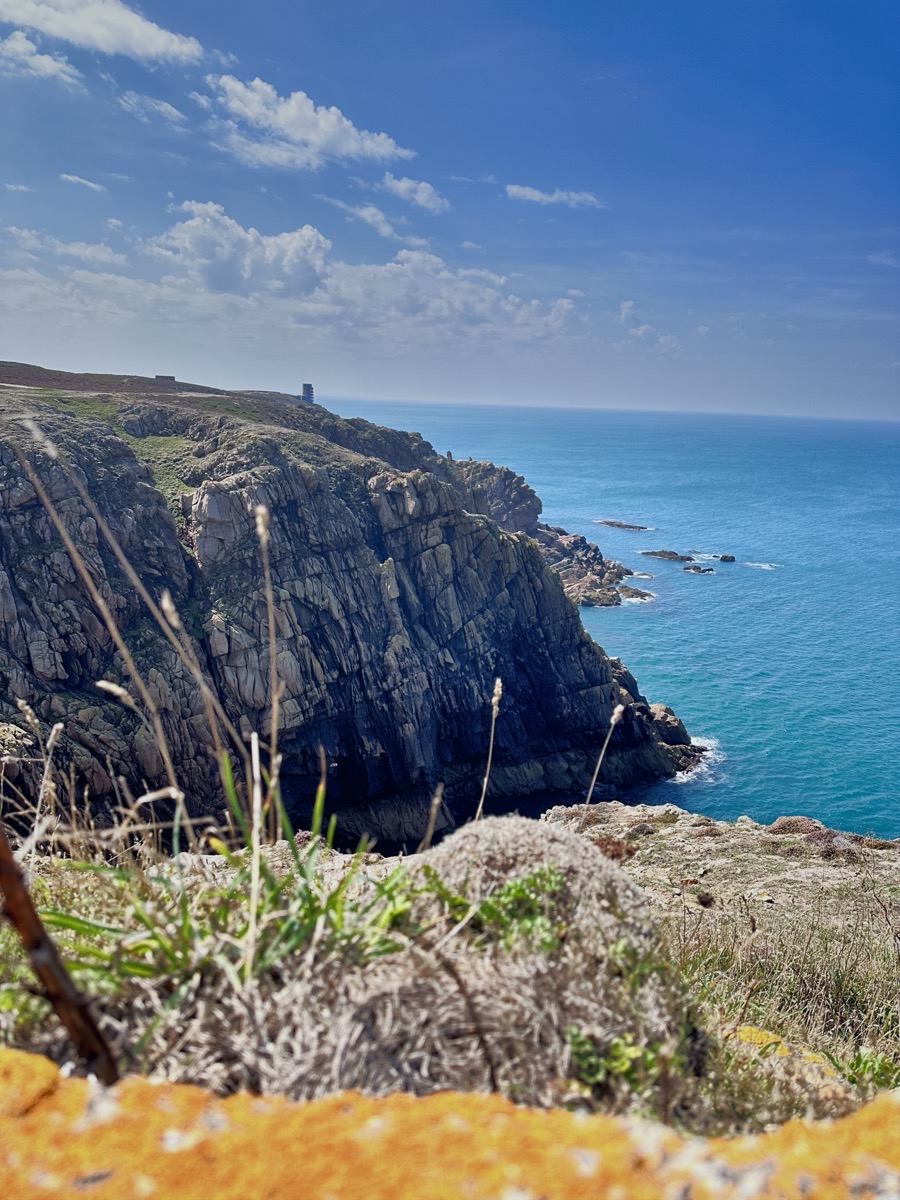
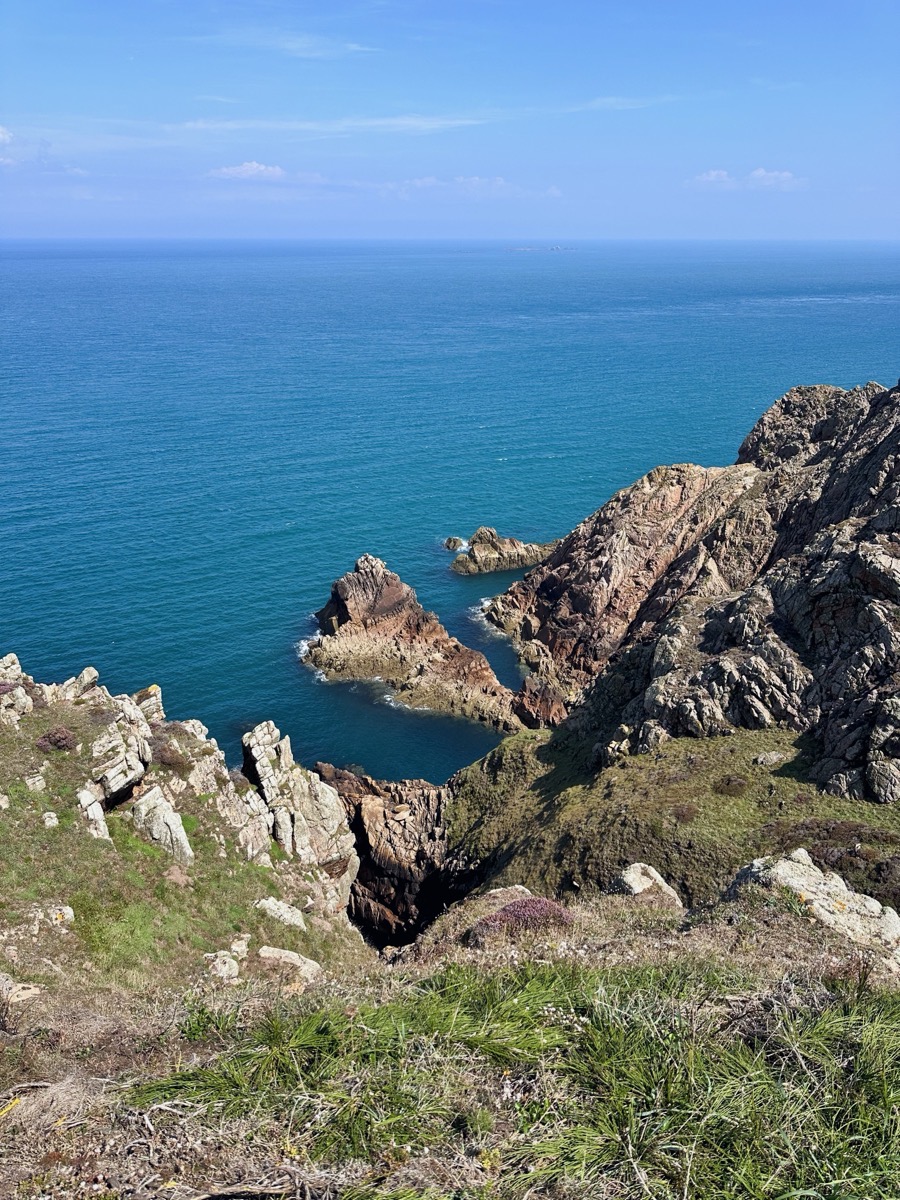
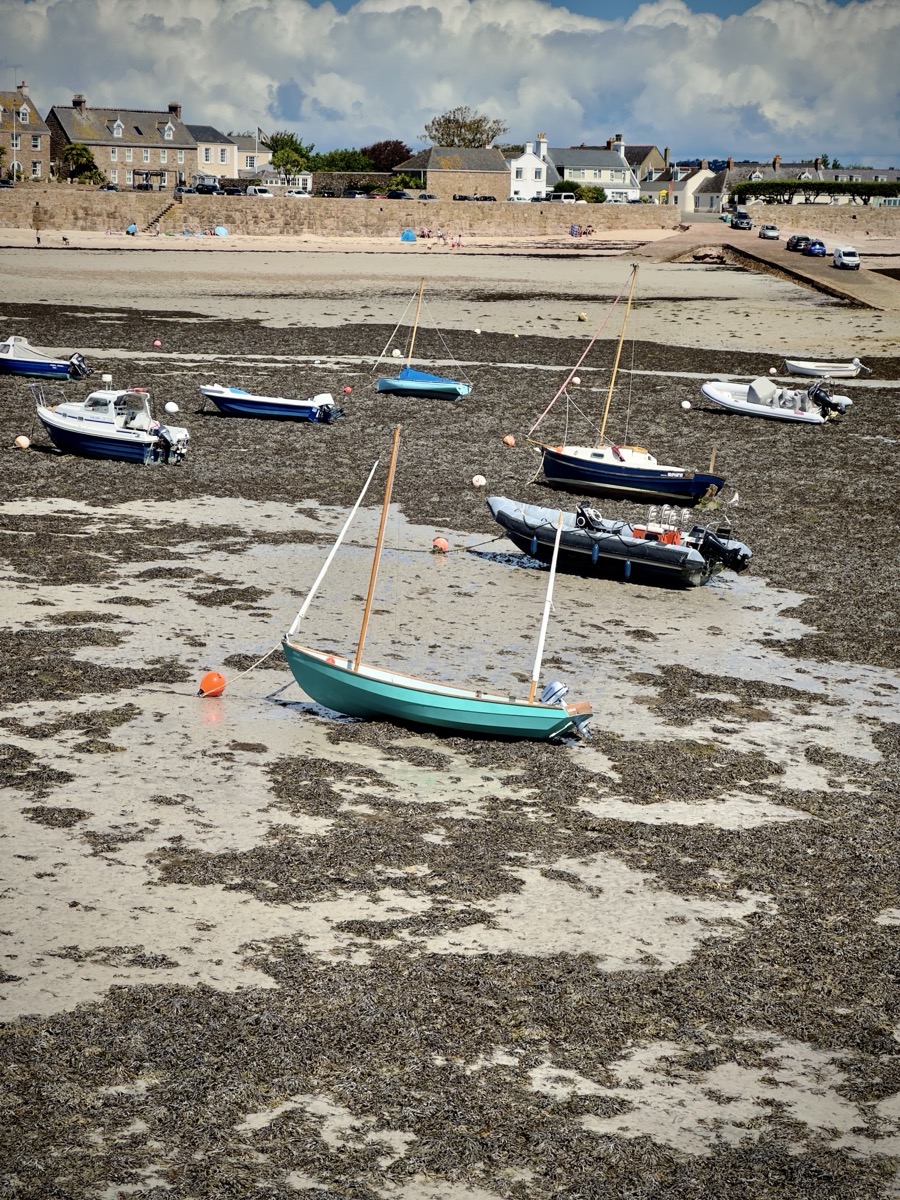
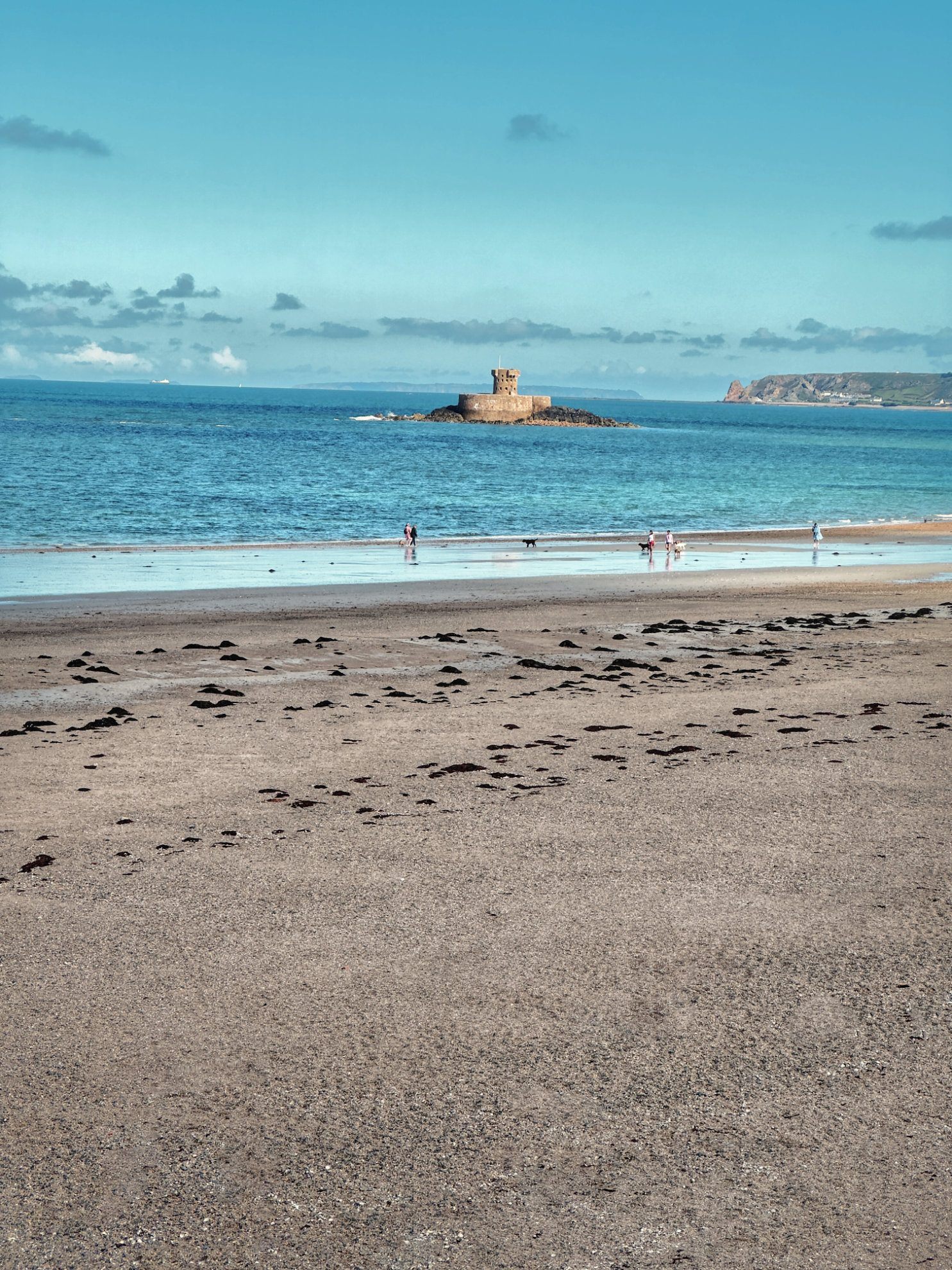
Jersey is the largest of the Channel Islands, between England and France. A self-governing dependency of the United Kingdom, with a mix of British and French cultures, it’s known for its beaches, cliffside walking trails, inland valleys and historic castles. The Jersey War Tunnels complex, in a former hospital excavated by slave labor, documents the island’s 5-year German occupation during WWII. ― Google
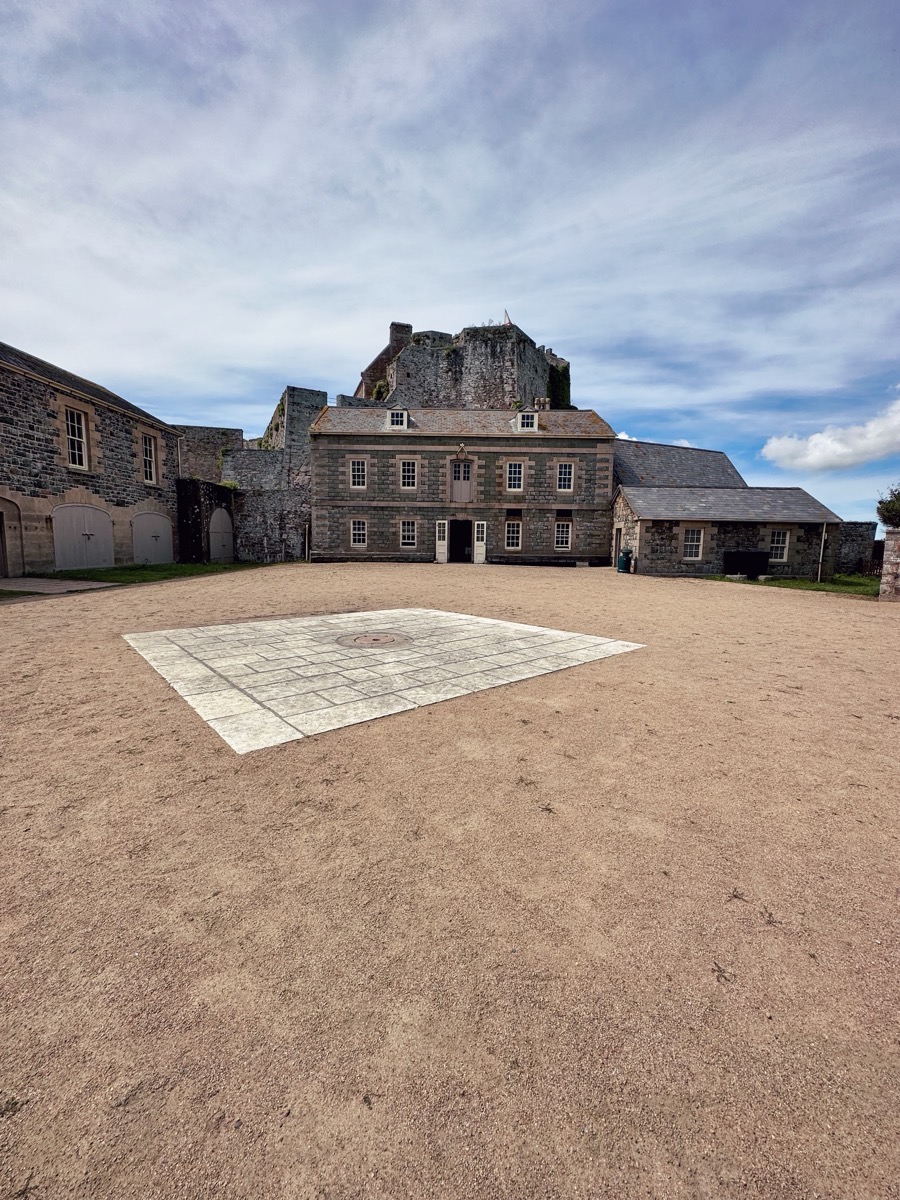
Elizabeth Castle
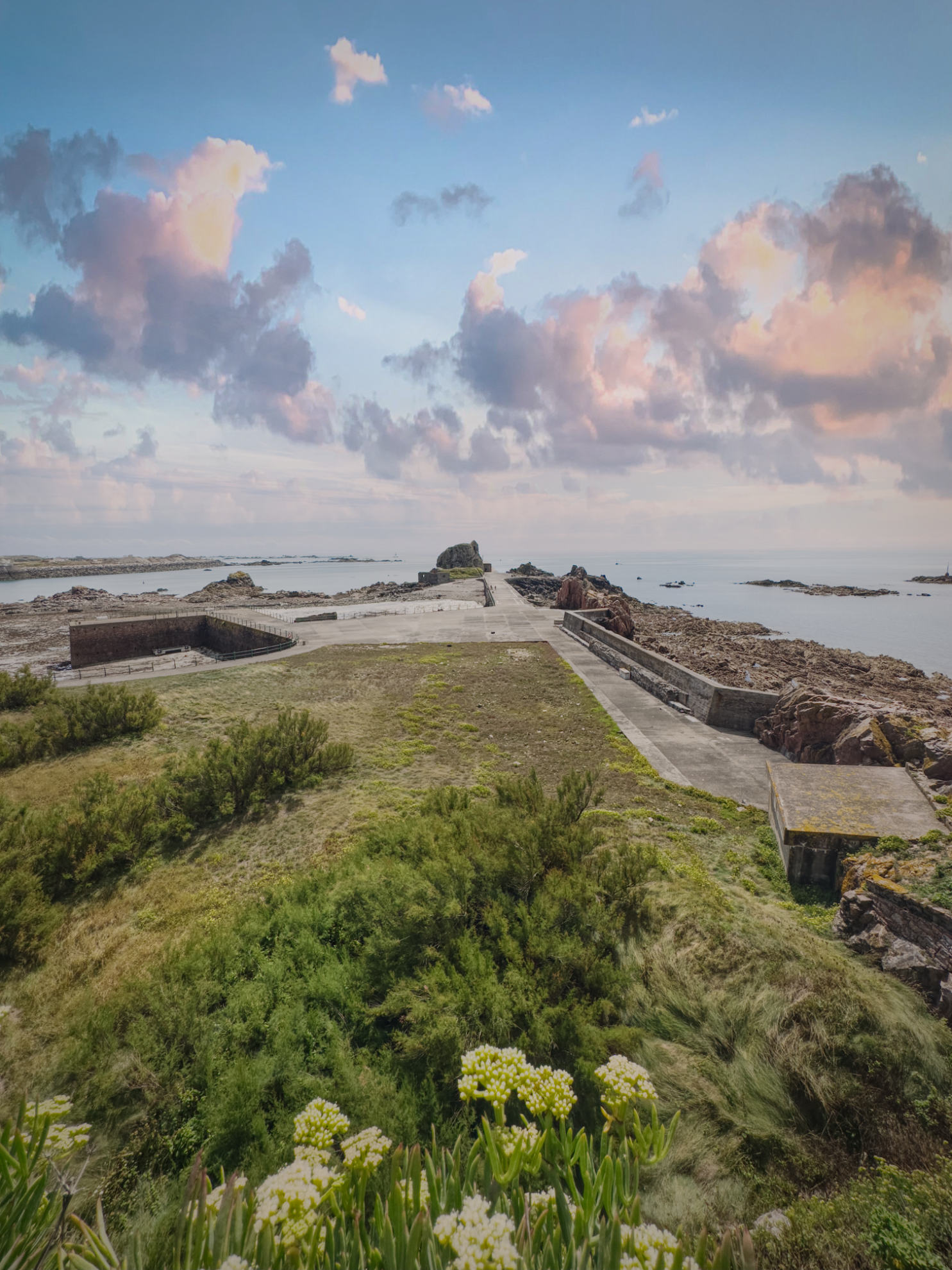
To reach the Castle and begin your adventure, walk along the causeway or take the amphibious Castle Ferry. Spend your day exploring this sprawling 15-acre fortress: climb the battlements dating back to the time Sir Walter Raleigh was Governor of Jersey; explore the grounds that gave refuge to King Charles II during the English Civil War; uncover the story of the Castle during the German Occupation in World War II; then discover the oldest part of this site, The Hermitage, where Saint Helier is thought to have lived around 550 A.D.

Jersey War Tunnels
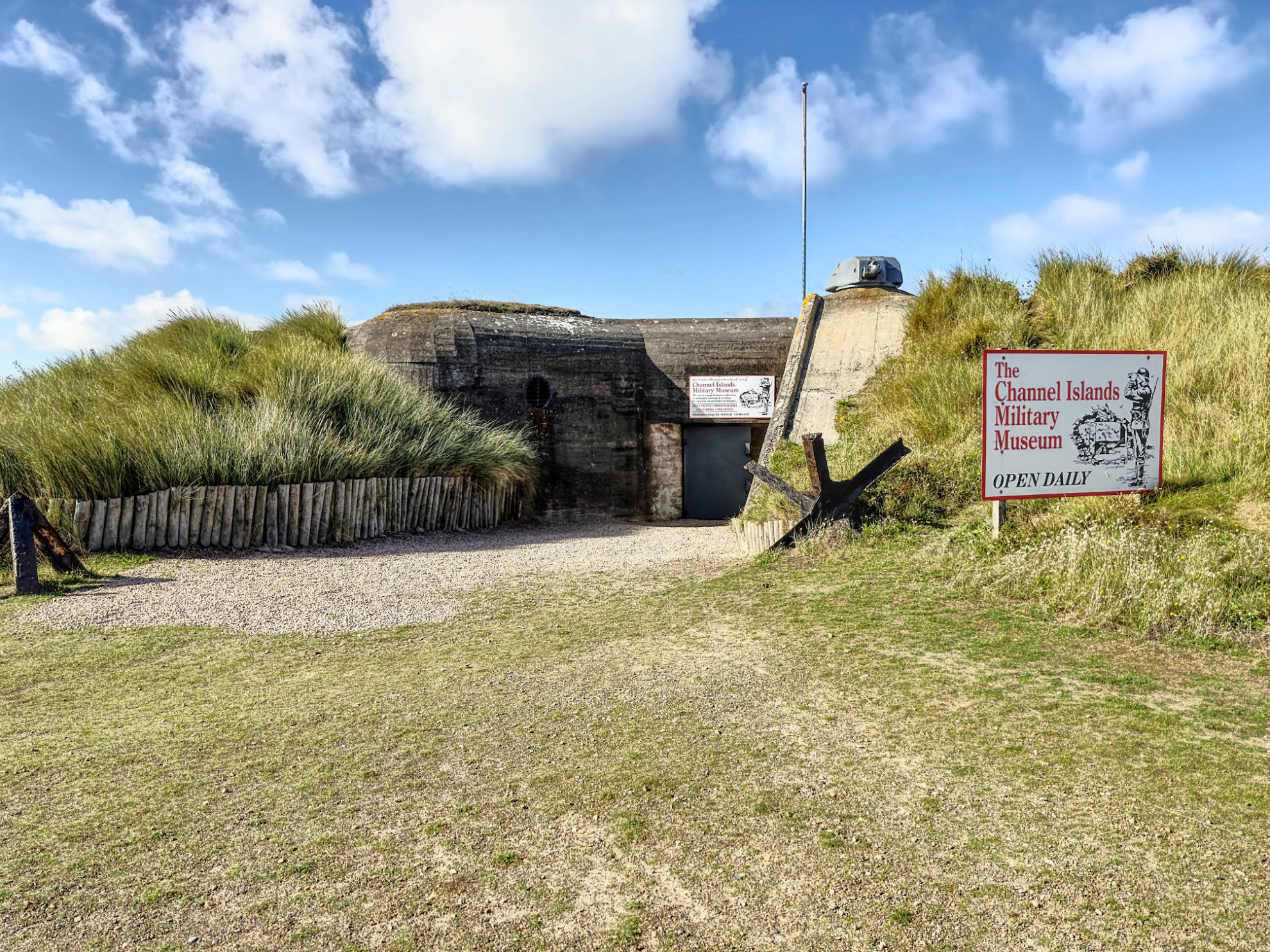
Jersey is scattered with visible reminders of its five-year period under German occupation during World War II. The Nazis built defences all over the island, including pillboxes, batteries, tunnels and observation towers.
The Jersey War Tunnels (known as Höhlgangsanlage 8, or Ho8) was an extensive network of tunnels created by forced labourers as well as Russian and Ukranian Prisoners of War. Initially intended to serve as bomb-proof protection against allied invasion and storage for ammunition and food, it was later turned into an emergency hospital unit, with operating theatre and wards, although the war ended before the tunnels fulfilled their purpose. The preserved and reconstructed tunnels are open to visitors, and the exhibits are poignant markers of life under the Nazis.